EDUCATIONAL STRATEGY FOR FAMILIES
Clarity for your child's education.
Direction for what comes next.
There is no shortage of advice about how to help your child. The challenge is knowing what actually fits.
I help families understand what matters most, decide what deserves their attention, and determine the right path forward.
You don't need more educational advice. You need to know which advice fits your child.
Parents have access to more educational information, services, specialists, programs, and opportunities than ever before.
But more options do not necessarily make the right decision easier.
A tutor sees tutoring. A school sees what happens at school. A specialist sees the area they specialize in. Each perspective can be valuable, but your child is more than any one piece of the picture.
You bring the question. I bring you clarity and direction.
Nearly two decades across education taught me to look at the whole picture.
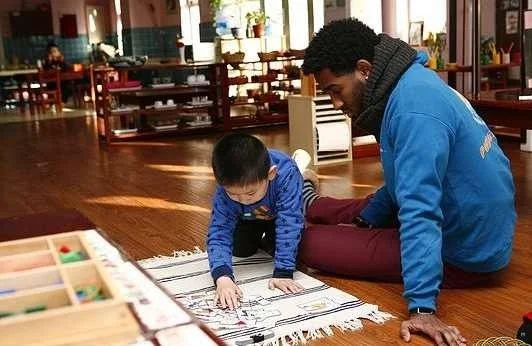
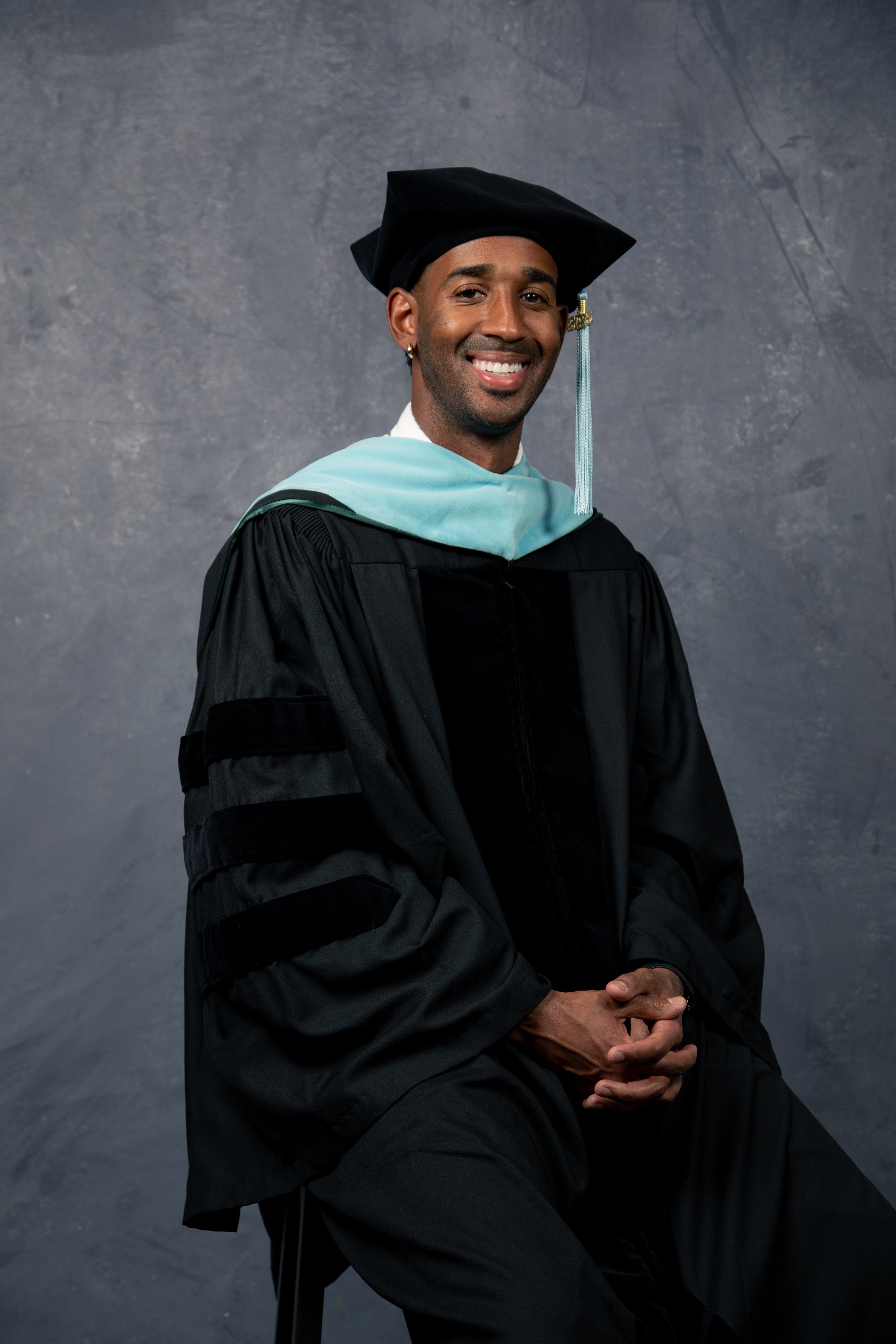
My perspective has been shaped by nearly 20 years across education in the US and overseas. I hold a PhD in Education. I’ve taught kindergarten, elementary, high school and I’ve been a college professor. I’ve managed a curriculum development department, been an instructional coach, and have been a part of major educational research.
I’ve seen it all. I’ve done it all.
That breadth of experience allows me to look across the different parts of a child's educational life, connect what others may see separately, and help families determine what actually deserves their attention.
You don't need to have the answer. You just need to know the question.
Bring me the educational decision, concern, opportunity, or uncertainty you're trying to work through.
I'll help you understand what matters, determine what deserves your attention, and decide what comes next.
You bring the question. I bring you clarity and direction.